Battery technology is entering a decisive phase. As electric vehicles (EVs), renewable energy storage, and grid-scale electrification accelerate globally, incremental improvements to conventional lithium-ion batteries are no longer sufficient. The next wave of competitiveness will be defined by breakthroughs in safety, energy density, charging speed, and lifecycle performance.
Among the most promising developments are silver solid-state batteries-a next-generation architecture that replaces liquid electrolytes with solid materials and integrates silver-based components to unlock step-change performance gains. For executives shaping long-term mobility, energy, and materials strategies, this technology warrants close attention.
What Makes Solid-State Batteries a Breakthrough
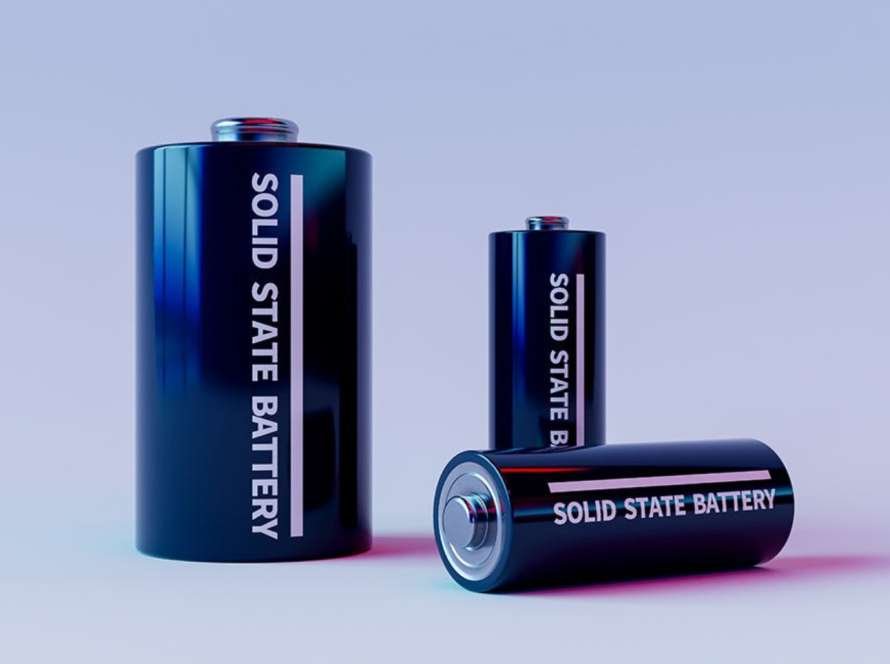
Solid-state batteries eliminate the flammable liquid electrolyte used in today’s lithium-ion cells, replacing it with a solid electrolyte. This structural change delivers three strategic advantages:
- Material safety, significantly reducing fire risk
- Higher energy density, enabling more power in less space
- Longer operational life, with fewer degradation pathways
Leading prototypes are now targeting 400–500 Wh/kg, compared with roughly 270 Wh/kg in current EV batteries. Samsung’s silver–carbon (Ag-C) anode prototypes, for example, have demonstrated energy densities near 500 Wh/kg, charging times under 10 minutes, and lifespans exceeding 1,500 cycles-metrics that would materially alter EV economics.
Beyond performance, solid-state batteries also carry sustainability advantages. Studies suggest lifecycle carbon emissions could fall by 24–39% compared with conventional lithium-ion designs, driven by higher efficiency, lower material intensity, and longer service life.
Why Silver Matters in Next-Generation Batteries
Silver plays a functional-not decorative-role in these systems. Its exceptional electrical and thermal conductivity enhances ion transport and stabilises battery chemistry.
In silver solid-state batteries, a silver–carbon composite anode improves charge transfer while suppressing dendrite formation-metallic filaments that degrade batteries and pose safety risks. By mitigating dendrites, silver extends battery lifespan, improves reliability, and enables ultra-fast charging.
Key performance benefits linked to silver integration include:
- Energy density approaching 500 Wh/kg
- Dramatically faster ion mobility
- Improved safety and cycle life, potentially exceeding 20 years in stationary applications
Automakers and battery leaders including Samsung, BYD, and MG are already testing silver-based solid and semi-solid designs, signalling growing confidence in the technology’s commercial trajectory.
Implications for Electric Vehicles
For EV manufacturers, silver solid-state batteries could be transformative. Higher energy density directly translates into:
- Extended driving range, potentially 600 miles or more per charge
- Smaller and lighter battery packs, improving vehicle efficiency
- Near-elimination of range anxiety through ultra-fast charging
These attributes could materially accelerate EV adoption, particularly in premium segments and long-range use cases where today’s batteries remain a constraint. Early testing feedback from automakers evaluating solid-state samples has been broadly positive, though large-scale production remains several years away.
Most industry roadmaps point to late-2020s commercialisation, beginning with premium EVs and gradually expanding as costs decline and manufacturing matures.
A New Demand Shock for the Silver Market
The strategic significance of silver solid-state batteries extends well beyond automotive engineering. It also introduces a potential structural shift in silver demand.
Indicative estimates suggest:
- A 100 kWh EV battery could require approximately 1 kg of silver
- If just 20% of global EV production adopts this technology, incremental demand could reach ~16,000 metric tons per year
- Global silver mine supply currently stands near 820–850 million ounces annually, while total demand already exceeds supply
Against this backdrop, large-scale battery adoption would materially tighten the silver market, with implications for pricing, sourcing strategies, and geopolitical supply security.
Read about Why China’s Solid-State Battery Push Matters Worldwide
Barriers to Scale and Commercial Reality
Despite its promise, silver solid-state battery technology faces non-trivial challenges:
- Cost pressure, given silver’s price premium relative to other materials
- Manufacturing complexity, requiring new production processes and capital investment
- Supply constraints, as silver demand is already rising across electronics and solar sectors
To address these risks, developers are actively working to reduce silver intensity per cell and improve material efficiency. Success on this front will be critical to achieving mass-market viability.
Strategic Outlook: What Executives Should Watch
Silver solid-state batteries represent a convergence of energy, mobility, and materials strategy. In the near term, adoption is likely to be selective-focused on high-performance EVs, defence, aerospace, and premium energy storage. Over time, however, scale economics could broaden deployment across mainstream vehicles and grid applications.
For C-level leaders, the strategic questions are clear:
- How will next-generation batteries reshape EV cost curves and product differentiation?
- What exposure does your organisation have to silver supply chains?
- When should partnerships, investments, or procurement strategies be aligned with solid-state readiness?
The late 2020s are shaping up to be a pivotal window. Companies that anticipate this shift-rather than react to it-will be better positioned to lead in the next era of electrification.