Rimac Advances Solid-State Battery Technology for Bugatti’s Future Electric Supercars
Rimac Technology, the EV division of the Rimac Group, has confirmed it is developing solid-state battery technology and next-generation compact e-axles for future Bugatti models, with a debut expected in 2030. The announcement was made by Nurdin Pitarevic, Chief Operating Officer at Rimac Technology, during an interview with Autocar.
These new technologies will not only power the next chapter in Bugatti’s supercar evolution but could also shape the trajectory of luxury EV performance across affiliated brands, including Porsche, BMW, and Saudi Arabia’s CEER.
Solid-State Breakthrough: Higher Density, Lower Weight, Faster Charging
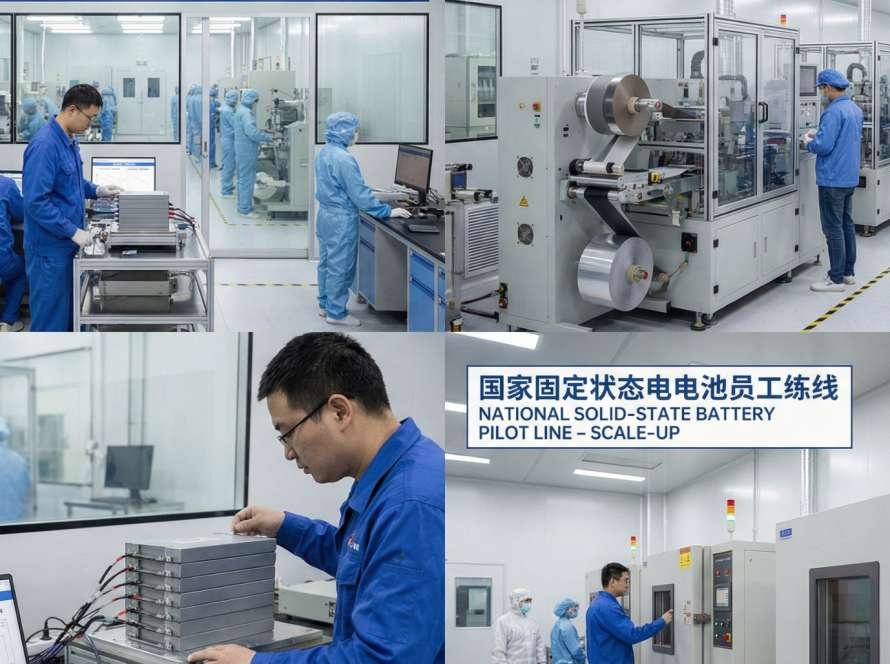
According to Pitarevic, Rimac’s solid-state battery prototypes promise a 20 to 30 percent increase in energy density and a reduction of around 66 pounds in weight compared to today’s high-performance battery packs. These gains are made possible through a new composite casing developed in partnership with Mitsubishi, along with advanced cell chemistry co-developed with ProLogium.
In addition to lighter weight and higher capacity, the batteries are designed for significantly faster and safer charging, addressing two of the biggest barriers in ultra-performance electric vehicles.
Testing of the solid-state prototypes is scheduled to begin soon, with production aimed for mid-volume deployment in a new Bugatti model by 2030. While details remain confidential, Pitarevic hinted that the vehicle could be positioned below the flagship Tourbillon, but still feature elite performance credentials.
New E-Axles Set Performance Standards Across Segments
Rimac is also advancing its next-generation electric axle units, which combine the motor, gearbox, and control systems into a compact, lightweight module. These e-axles will be available in different output ranges from 200 to 470 horsepower, and compatible with front-, rear-, and all-wheel-drive layouts, as well as both fully electric and hybrid powertrains.
Among the projects underway:
- A 291-pound e-axle for an upcoming SUV from CEER, delivering performance on par with the 612-horsepower motor found in the Rimac Nevera.
- A 500-horsepower unit weighing just 106 pounds, highlighting the rapid progress Rimac is making in lightweight performance engineering.
These components are already gaining interest from major automakers, including BMW and Porsche, indicating strong commercial potential beyond the Bugatti brand.
Cost Parity and Commercial Strategy
Pitarevic stated that Rimac expects cost parity with current NMC (Nickel Manganese Cobalt) battery chemistries by 2035, though the company does not plan to mass-produce cells for the mainstream market. Instead, it may license the technology to selected OEMs, allowing broader deployment without compromising Rimac’s focus on high-end performance vehicles.
Executive Perspective: What This Means for the Industry
For leaders in the mobility and automotive sectors, Rimac’s developments mark a critical shift in the commercial readiness of solid-state battery technology. What was once theoretical is now approaching application in the world’s most demanding automotive environments.
This progress also signals a larger trend:
- Luxury automakers are embracing electrification without compromising performance or brand identity.
- Solid-state batteries are moving closer to viable commercialization, with partnerships forming across energy materials, software, and propulsion.
Modular, high-power e-axles could redefine platform flexibility, particularly in multi-brand manufacturing networks.
Advances in lithium-metal and solid-state battery safety read more