Recycling Is No Longer a Weak Link in the EV Story
For years, critics of electric vehicles have argued that producing and disposing of batteries offsets the environmental benefits of going electric. But recent data paints a far different picture. Thanks to groundbreaking advances in recycling science, electric vehicle batteries are now more sustainable, recoverable, and reusable than ever before.
A new pilot recycling program led by Chinese researchers is demonstrating a global breakthrough: over 99% recovery efficiency for key materials such as nickel, cobalt, and manganese, and nearly 97% for lithium. These results do not just make EV batteries cleaner; they redefine the economics of clean energy.
This is not greenwashing, it is engineering progress backed by standards, accountability, and transparent data.
A Regulatory Framework Built on Precision and Performance
Behind these historic gains is a robust and enforceable regulatory framework of 22 national standards, developed with the collaboration of engineers, recyclers, automakers, and material scientists. The initiative, supported by a newly formed national technical committee, establishes unified rules for battery dismantling, residual energy detection, and chemical recovery across multiple sectors including automotive, marine, and grid-scale energy storage.
This framework is not theoretical; it is operational. It defines specifications such as:
- Vehicle Power Battery Recycling and Dismantling Guidelines
- Vehicle Power Battery Remaining Energy Detection Standards
- Material Separation and Purification Protocols
By standardizing how batteries are collected, disassembled, and processed, these guidelines eliminate inefficiencies, reduce environmental risk, and ensure consistent, verifiable recovery outcomes.
In practical terms, this means recyclers can now recover virtually every gram of usable metal from a spent EV battery, turning what was once waste into a resource stream as reliable as mining.
The Numbers That Inspire Confidence
The statistics are compelling:
- 99.6% recovery rates for nickel, cobalt, and manganese
- 96.5% lithium recovery, exceeding industry benchmarks by nearly 40%
- A projected 40% reduction in carbon emissions versus conventional mining
- 50–70% cost savings in material sourcing for manufacturers using recycled feedstock
For context, five years ago, most recycling systems struggled to recover even 60–70% of battery-grade materials. Today’s facilities, equipped with modern hydrometallurgical and solvent extraction technologies, are achieving near-perfect yields.
The shift is not just environmental; it is economic. Recycled materials can now feed directly back into new battery production, reducing reliance on volatile global mining markets dominated by a few countries.
From Linear Waste to Circular Value
Traditional energy systems follow a linear path: extract, produce, consume, discard. EV battery recycling flips that model on its head, creating a circular value chain that extracts new value from old resources.
Each recycled battery yields metals pure enough to meet original manufacturing specifications. In other words, the new battery built from old materials is indistinguishable in performance from one made with virgin minerals.
This loop not only cuts environmental impact but also stabilizes supply chains for automakers and grid-scale storage providers. As demand for EVs surges and is expected to exceed 240 million units globally by 2030, recycling becomes the linchpin that makes electrification scalable and secure.
China’s Example Sets a Global Benchmark
While global recycling initiatives exist in the United States, Europe, and Japan, China currently leads in efficiency and infrastructure scale. The nation’s combination of regulation, investment, and industrial discipline is setting a precedent for the rest of the world.
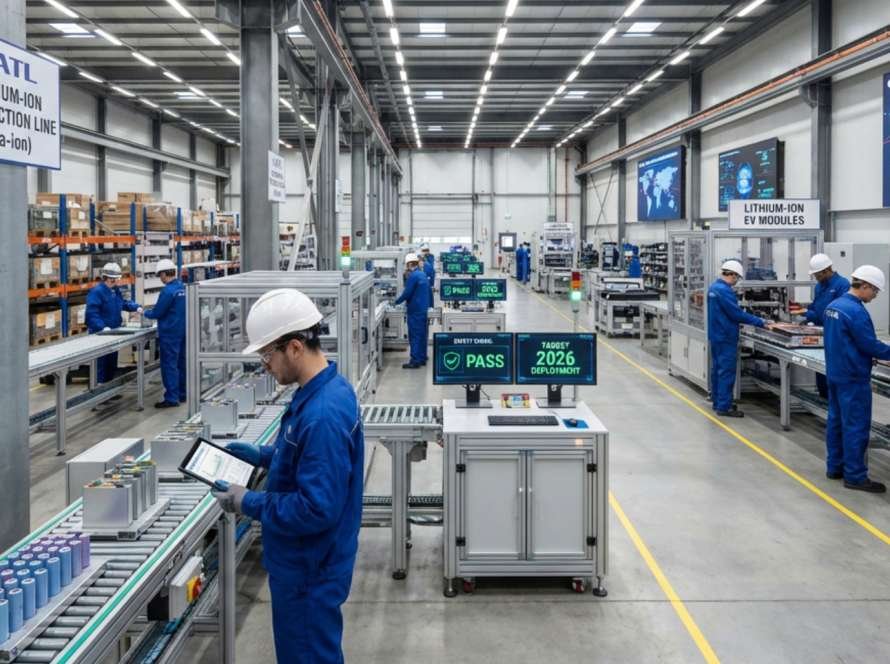
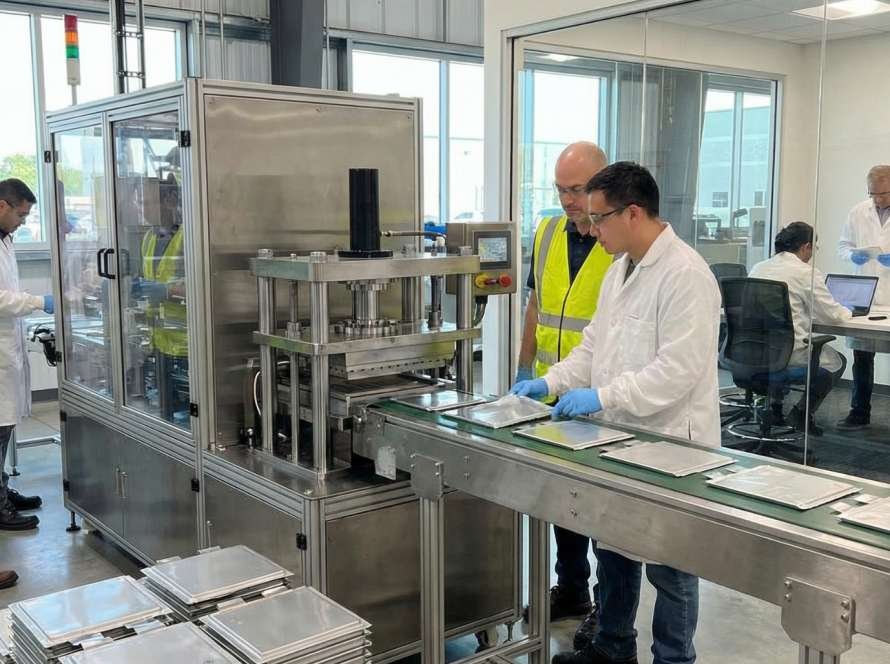
The implementation of standardized recycling lines, supported by the Ministry of Industry and Information Technology (MIIT), ensures that materials recovered from spent batteries are chemically verified, logged through digital tracking systems, and seamlessly reintroduced into new production.
Recycling leaders working under these standards are already reporting recovery yields that consistently surpass 99%. For the first time, battery waste is being transformed into a predictable, high-value resource capable of feeding directly into cathode and anode material production.
EV Batteries: The Greener They Age, the Cleaner They Become
Unlike fossil fuels, which emit carbon every time they are burned, EV batteries carry a single up-front carbon cost during production. The longer they last and the more times they are recycled, the lower their lifetime emissions become.
This is why every additional year of use or recycling cycle makes an EV more sustainable, not less. Analysts from BloombergNEF estimate that over a 15-year lifespan, a fully recycled EV battery could offset up to 90% of the emissions associated with its original production.
Put simply, the more an EV battery is used, the greener it gets. And with closed-loop recycling at 99% efficiency, each generation of battery becomes cleaner, cheaper, and less dependent on mining.
The Global Ripple Effect
The implications reach far beyond cars. The same closed-loop systems are now being applied to:
- Maritime and aviation batteries, extending electrification into logistics and flight
- Energy storage systems, which use recycled lithium for grid stabilization
- Consumer electronics, where recovered cobalt and nickel reduce e-waste
The World Bank projects that circular supply chains could unlock 4.5 trillion dollars in global economic gains by 2035, with battery recycling contributing significantly to that total. Meanwhile, the International Energy Agency notes that a single ton of recycled lithium saves up to 80 tons of CO₂ compared to newly mined material.
Recycling as an Engine of Energy Security
At a geopolitical level, battery recycling is fast becoming a tool for national resource independence. For countries such as the United States and members of the European Union, which currently import 70–90% of their battery-grade lithium and cobalt, recycling offers a path to self-sufficiency.
Instead of relying on raw material imports, nations can build domestic recycling hubs that supply their own EV, grid storage, and defense industries. This is not just good environmental policy; it is sound industrial strategy.
The Road Ahead
As the world accelerates toward a fully electrified future, battery recycling stands out as one of the most crucial enablers of sustainable growth. No longer a peripheral afterthought, it has become a core pillar of both economic competitiveness and environmental stewardship.
The 99% recycling milestone proves that EV technology is not merely viable; it is virtuous and circular. By turning waste into wealth and emissions into opportunity, the industry is proving that sustainability can scale with profitability.
Tomorrow’s clean energy systems will not depend on endless extraction. They will depend on smart reuse, precise recovery, and the steady hum of circular innovation.