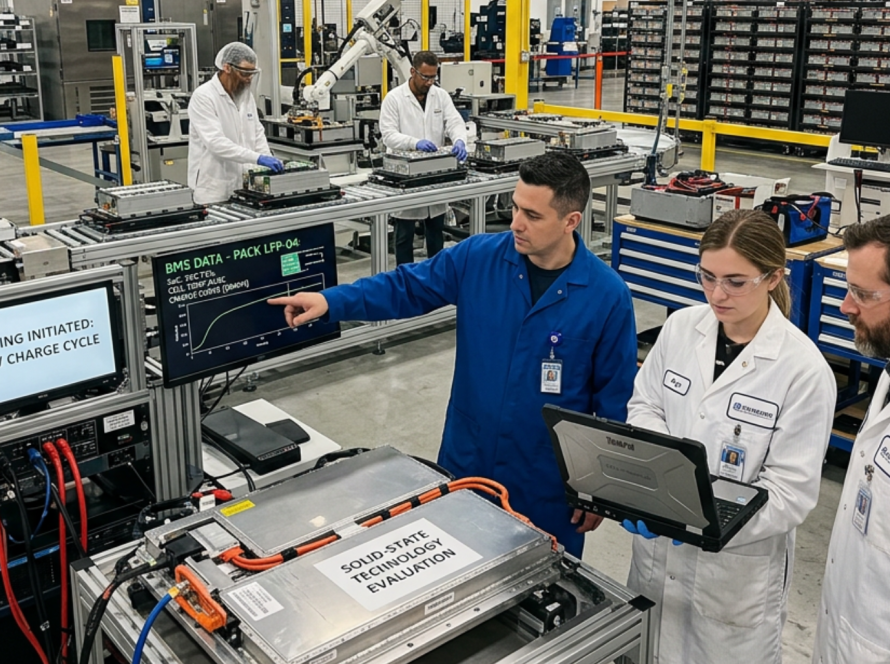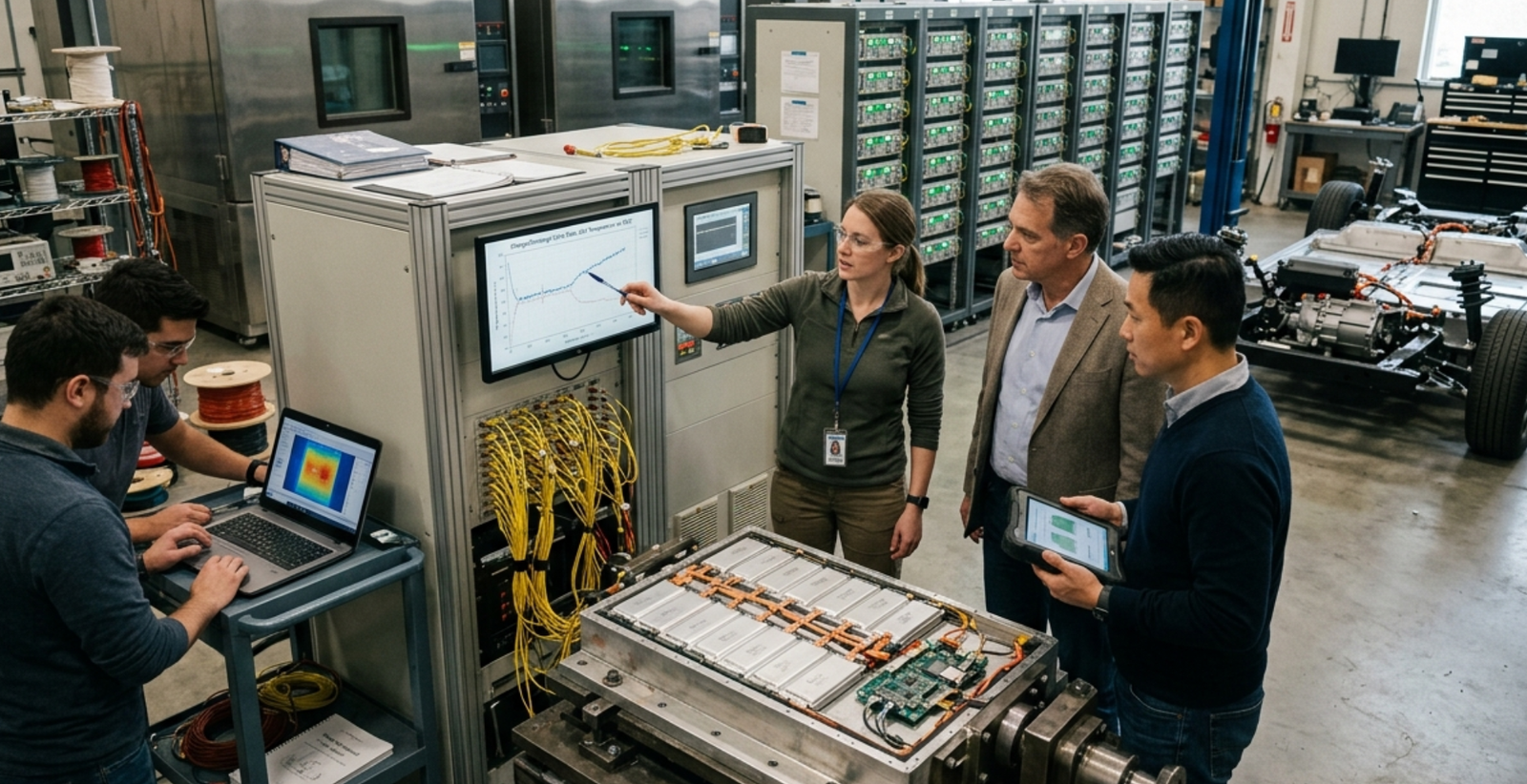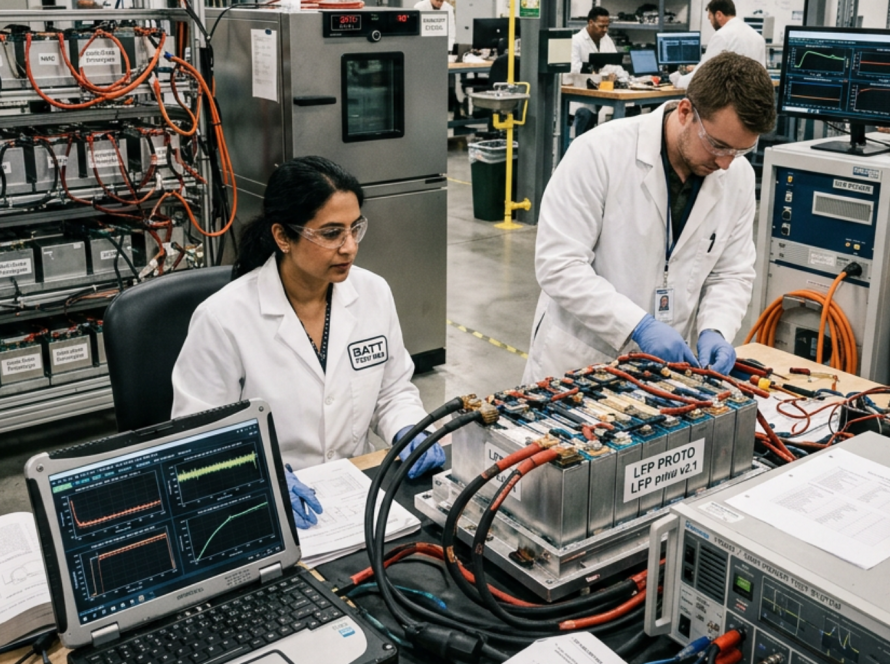
The threshold for internal combustion engine (ICE) performance parity has officially been crossed. In early 2026, the successful real-world testing of a 1,000 km range battery by the Chinese Academy of Sciences (CAS) and Nankai University signaled more than a technical victory. It marked a structural shift in the global energy hierarchy.
For the C-suite, this breakthrough removes the final operational objection to mass-market EV adoption: range anxiety. By achieving energy densities of 500 Wh/kg in system-level tests, the industry is transitioning from incremental chemistry tweaks to a total reorganization of vehicle architecture.
Decoupling from Cobalt and Nickel
A critical strategic component of this CAS-led breakthrough is the move toward lithium-rich manganese-based cathodes. This chemistry represents a major financial pivot for the industry.
- Cost Reduction: By utilizing abundant manganese rather than expensive, volatile cobalt and nickel, manufacturers can significantly lower the bill of materials (BOM).
- Supply Chain Security: Decoupling from high-risk cobalt corridors provides a more stable long-term manufacturing outlook.
- Energy Density: Reaching lab densities of 700 Wh/kg enables a 50 percent improvement over the current high-performance standards, allowing for smaller, lighter battery packs without sacrificing range.
The Low-Temperature Unlock
Historically, EV performance in cold climates has been a major barrier to adoption in Northern Europe and North America. The 2026 breakthrough addresses this through a novel fluorinated hydrocarbon electrolyte system.
This technology allows the battery to maintain nearly 400 Wh/kg at temperatures as low as -50 degrees Celsius. For global fleet operators, this ensures year-round operational reliability and removes the “winter penalty” that has plagued previous generations of lithium-ion technology.
From Laboratory to Mass Production
The speed of this transition is unprecedented. Following the successful February 2026 tests in collaboration with FAW Group’s Hongqi, the industry is already moving toward mass production.
Strategic Timeline for 2026:
- Standardization (July 2026): China is set to release the first official solid-state EV battery standard to clarify terminology and performance benchmarks.
- Pilot Integration: Initial small-batch installation in high-end flagship models is expected to begin by the third quarter.
- Mass-Market Rollout: Commercial production capacity is targeted for the end of the year, positioning early adopters for a decisive market advantage in 2027.
The New Geopolitical Reality
This breakthrough is a horizontal enabler that extends far beyond the automotive sector. The ability to store energy at 500 Wh/kg with safety-critical stability is already attracting attention from the aerospace and intelligent robotics industries.
For leadership, the priority is no longer just “going electric.” It is about securing access to the next generation of battery chemistry. Those who remain tethered to legacy liquid-electrolyte systems risk being out-competed on both performance and cost within the next 24 months.
Join the industry pioneers and technical architects defining the next phase of battery innovation. Discover the full speaker lineup and session details by visiting our official agenda.