OMI Advances 3-Minute Battery Charging Technology, Redefining Energy Storage Performance
Ultra-fast innovation is reshaping the future of energy storage, as 3-minute battery charging technology moves closer to commercial viability.
A next-generation platform now under advanced validation demonstrates the potential to significantly reduce charging times while maintaining performance, signalling a structural shift across electric mobility, grid infrastructure, and high-performance industrial systems.
High-Rate Charging Architecture Enables Ultra-Fast Performance
At the core of this breakthrough is a high-rate cathode architecture capable of supporting extreme charge speeds.
Key capabilities include:
- Full charge cycles in approximately three minutes
- High-rate performance under controlled conditions
- Multi-sector applicability across mobility and energy systems
This positions 3-minute battery charging technology as a leading innovation in next-generation battery performance.
Cobalt-Free Design Strengthens Supply Chain Resilience
A critical advancement within this platform is its cobalt-free chemistry, addressing one of the most significant challenges in battery supply chains.
This approach delivers:
- Reduced dependency on constrained raw materials
- Improved cost stability
- Enhanced long-term sourcing resilience
By eliminating cobalt, the technology aligns with global efforts to build more sustainable and secure battery ecosystems.
Validation Focuses on Real-World Performance
The system is undergoing rigorous testing to evaluate performance under repeated ultra-fast charging cycles.
Early validation indicates:
- Strong structural stability under high charge rates
- Consistent electrochemical performance over time
- Alignment with advanced safety requirements
This stage is critical in determining whether 3-minute battery charging technology can transition from prototype to scalable commercial deployment.
Addressing Core Limitations of Fast-Charging Systems
Historically, ultra-fast charging has been constrained by thermal instability, degradation risks, and lifecycle limitations.
The current architecture is designed to overcome these challenges by:
- Minimizing heat generation during rapid charging
- Supporting stable lithium-ion transport
- Reducing performance degradation over repeated cycles
These improvements directly target the key barriers that have limited fast-charging adoption at scale.
Scaling Toward Industrial Deployment
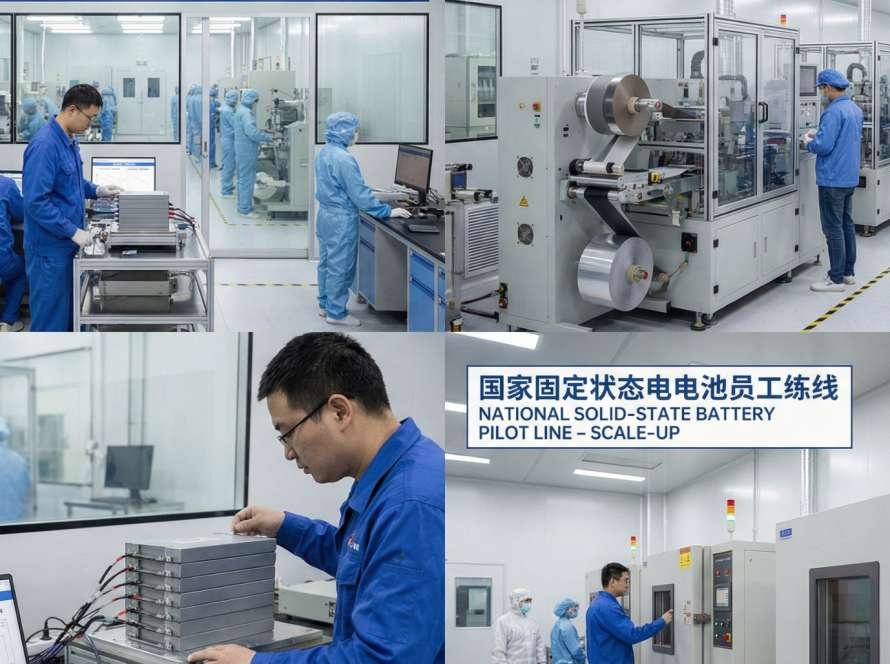
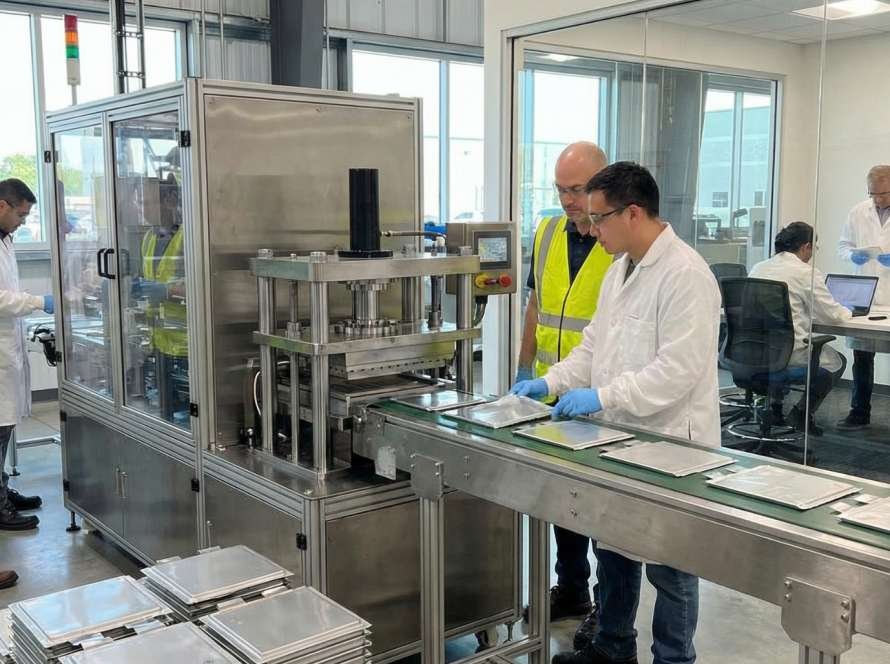
With validation progressing, the focus is shifting toward manufacturability and large-scale deployment.
Key priorities include:
- Ensuring performance consistency under mass production
- Validating large-scale cycle durability
- Integrating systems across multiple application environments
Initial production timelines are being aligned with successful validation outcomes.
Strategic Implications for the Global Battery Market
If successfully commercialized, 3-minute battery charging technology could redefine performance expectations across the global battery ecosystem.
Potential impacts include:
- Accelerated EV adoption through near-instant charging
- Increased efficiency in grid-scale energy storage
- Reduced reliance on critical minerals
- Competitive shifts in battery manufacturing standards
For C-level leaders, this represents a potential inflection point in how energy storage systems are designed, deployed, and scaled.
Strategic Outlook
As electrification accelerates globally, ultra-fast charging is emerging as a defining innovation frontier.
The advancement of 3-minute battery charging technology signals a broader transition toward high-speed, high-efficiency, and supply chain-resilient energy systems.
The next phase will determine its readiness for large-scale commercialization and its role in shaping the future of global energy infrastructure.
For more insights on global battery innovations, fast charging technologies, and energy storage trends, visit:
View the EV Battery Tech Xchange 2026 Agenda