A Game-Changing Leap in Battery Innovation
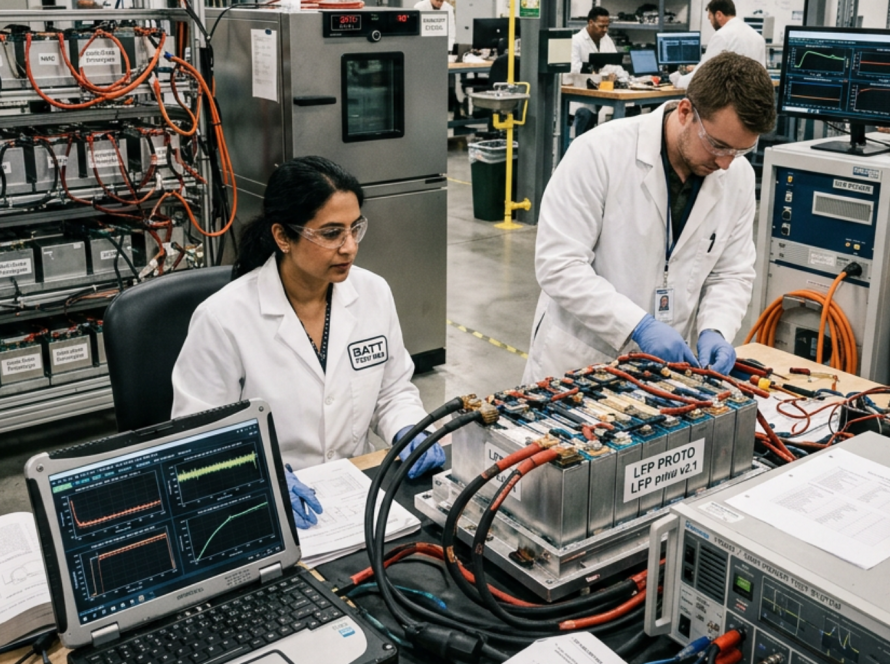
A pioneering team at the Norwegian University of Science and Technology (NTNU) has unveiled a patented coating that could redefine how industries power the future. This advanced lithium sulfur battery technology can extend battery lifespan up to five times, unlocking new opportunities for electric mobility and energy storage on a global scale.
Solving the Core Challenge of Battery Degradation
Lithium sulfur (Li-S) batteries have long been seen as a superior alternative to traditional lithium-ion models. They offer faster charging, improved safety, and higher energy density. However, their rapid wear during repeated charge cycles has limited commercial adoption.
The NTNU research team has addressed this challenge by developing a coating applied to the battery separator, the thin membrane that sits between electrodes. This coating functions as a filter, reducing the internal damage caused by moving particles. As a result, Li-S batteries can last significantly longer while maintaining consistent performance.
Transforming the Electric Vehicle Landscape
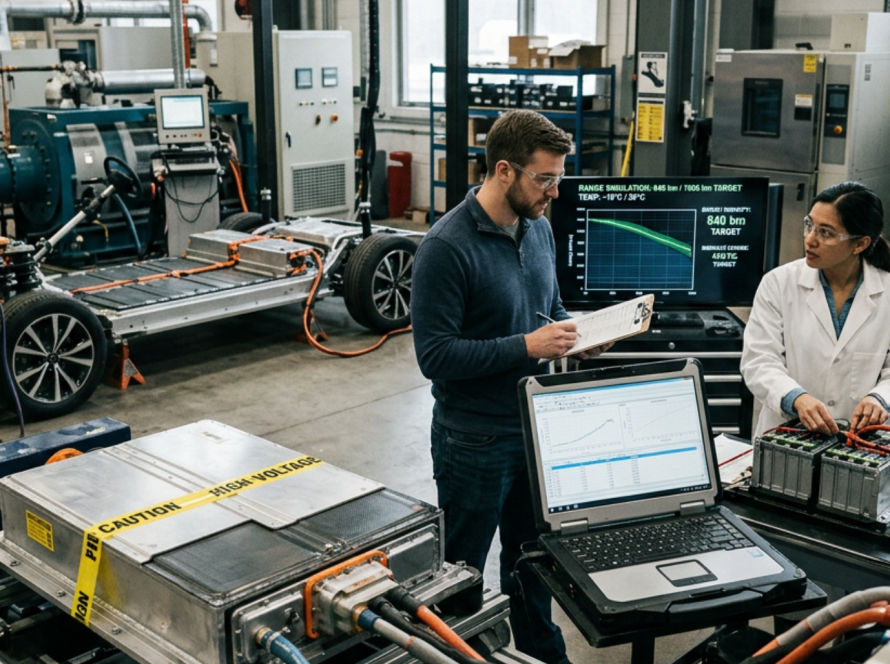
For automotive leaders, this innovation could be transformative. Longer battery life means fewer replacements, reduced manufacturing costs, and lighter vehicle designs. According to Interesting Engineering, an 800-volt electric vehicle battery could become nearly 440 pounds lighter, improving performance, range, and handling.
A lighter battery not only enhances energy efficiency but also reduces material use and manufacturing emissions. This directly supports sustainability goals and helps automakers meet tightening global environmental regulations.
Extending Beyond Transportation
The benefits of NTNU’s technology reach far beyond electric vehicles. Researchers believe this coating can significantly enhance grid-scale energy storage and residential solar systems, where durability and capacity are essential for profitability.
According to Kristina Nydal, Business Developer at NTNU’s Technology Transfer Office, “The goal is to scale up the technology and license it to an industrial partner so that it can be used in everything from electric cars to storage of green energy.”
Strategic Implications for Energy Leaders
For C-level executives guiding sustainability, energy, or manufacturing strategies, this development signals a major shift in competitive advantage. By improving energy density and reducing system weight, organizations can achieve better ROI on battery investments while accelerating their transition toward clean energy. This breakthrough could soon play a vital role in helping companies future-proof their operations through efficient, scalable, and sustainable energy solutions.
Battery lifespan improvements lowering total cost of ownership read more