The Next Big Leap in Electric Vehicle Power
Electric vehicle innovation is entering a new era. Solid state batteries, the long promised next generation of energy storage, are finally approaching commercial reality. These advanced power cells could soon deliver lighter, faster charging, and more durable batteries, transforming how the world drives and powers its machines.
At the heart of the shift are superionic materials, a new class of compounds that combine the stability of solids with the conductivity of liquids. They could eliminate the flammable components of current lithium ion batteries while multiplying performance and safety.
What Makes Solid State Different
Traditional lithium ion batteries use a liquid electrolyte to move charged lithium ions between the anode and cathode. Solid state batteries replace that liquid with a solid electrolyte, which not only enhances safety but also enables higher energy density and faster ion transfer.
In theory, this could allow electric vehicles to travel up to 600 miles on a single charge and recharge in under 10 minutes, numbers that could make range anxiety a thing of the past.
The Science Behind the Promise
For decades, solid state batteries were a dream limited by material constraints. Solids that could move ions as quickly as liquids simply did not exist. That changed with the discovery of superionic conductors, materials where lithium ions move almost as freely as in liquid form.
These materials opened the door to new designs that could combine performance, safety, and energy efficiency. They can also support lithium metal anodes, which store 10 times more energy per gram than traditional graphite based ones, unlocking greater range and lighter battery packs.
Manufacturing Challenges and Costs
Despite laboratory success, scaling up solid state technology remains difficult. Some promising superionic materials are brittle, moisture sensitive, or require ultra dry environments during manufacturing. This adds cost and complexity, especially compared with the well established and rapidly expanding lithium ion production infrastructure.
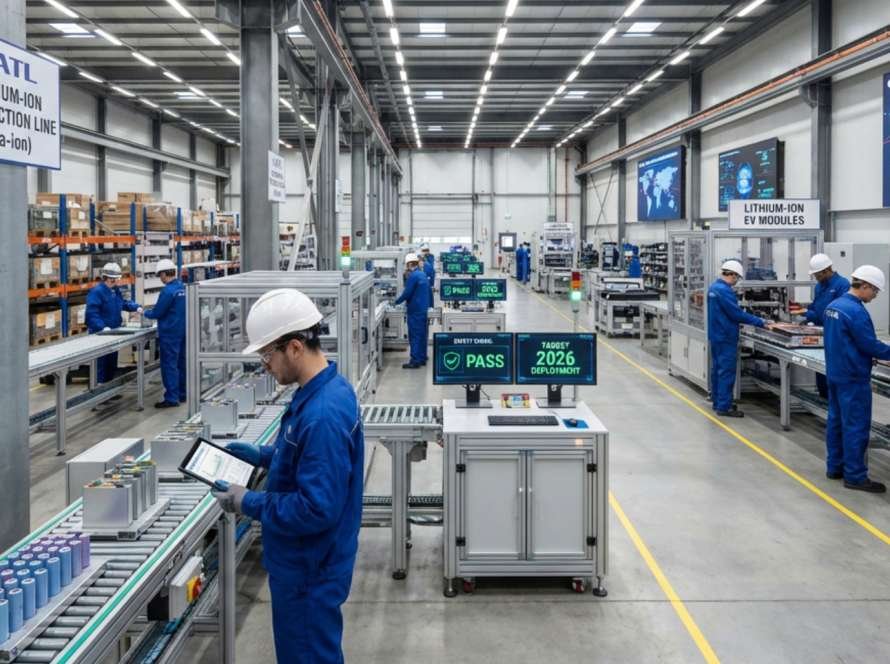
Manufacturers like Toyota, Volkswagen, QuantumScape, and CATL are investing billions to overcome these challenges. The first prototype vehicles using solid state cells are expected by 2027, with mass commercialization targeted by 2030.
The Economic Hurdle
Solid state batteries will need to compete with lithium ion cells that have seen a 30 year head start and dramatic cost declines, from over $7,000 per kWh in the early 1990s to under $120 per kWh today.
Industry experts believe economies of scale and automated production will eventually narrow the gap. But in the short term, solid state batteries are likely to appear first in premium EVs, drones, and aerospace applications where performance outweighs cost.
The Global Race for Battery Dominance
Solid state batteries also carry strategic and geopolitical significance. While China dominates lithium ion production, solid state innovation offers other countries a chance to regain technological leadership.
Japan, South Korea, and the United States are accelerating research partnerships and public funding to secure their foothold in this emerging market. Startups across North America and Europe are partnering with automakers to bring prototypes closer to reality.
Performance and Safety Advantages
The benefits of solid state batteries extend beyond energy density. They are non flammable, stable at high voltages, and resistant to dendrite formation, the needle like lithium structures that can cause short circuits in conventional cells.
These properties make them ideal for use in high performance EVs, electric aviation, and military grade applications requiring power, reliability, and compact form factors.
Looking Ahead
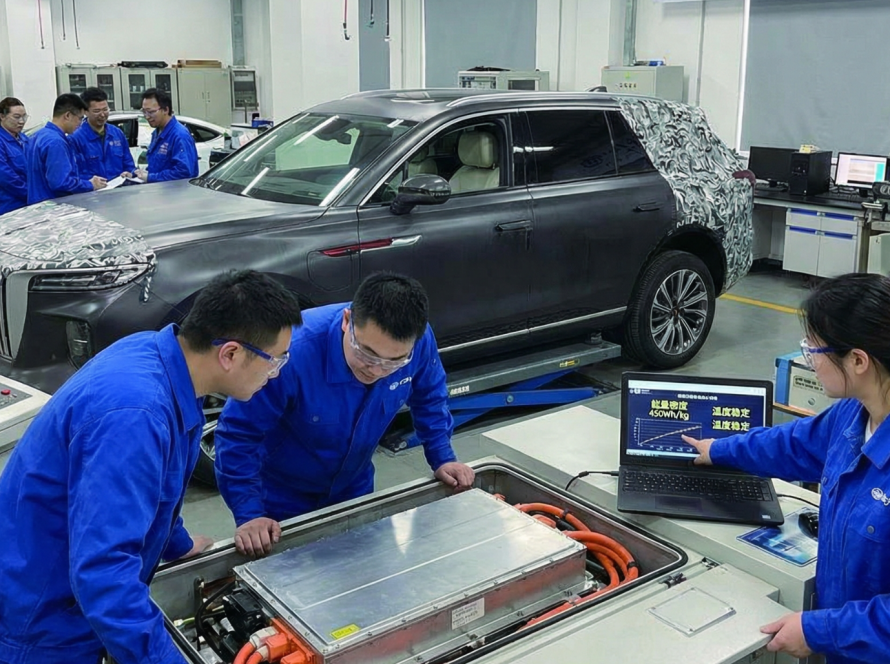
Solid state batteries are no longer theoretical. Dozens of companies are building pilot plants, testing vehicle prototypes, and refining materials to withstand real world conditions.
Experts agree that the next five years will determine whether the technology can transition from lab to large scale production. If successful, it could reshape global energy storage, redefine electric mobility, and permanently change the balance of power in the EV industry.
Alt Text for Featured Image:
A researcher holding a solid state battery prototype designed for next generation electric vehicles.